

Understanding the Basics of Property Insurance: A Comprehensive Guide
TLDR: Property insurance safeguards your home, personal property, and other assets against damage or loss due to events like theft, fire, or natural disasters. It’s vital for financial protection and often required by lenders for property loans. There are different types of policies, including land, buildings, and contents insurance, each covering various aspects of property. Premiums vary based on factors like property type, location, and coverage limits. To find the right policy, consider the policy type, coverage level, cost, and insurer’s customer service. Regularly reviewing and understanding your policy’s terms and coverage is crucial for optimal protection.
Property insurance is a type of coverage that protects your personal property, like your home and its contents, from damage caused by certain perils, such as a storm or fire. There are several types of policies available to meet different needs, and understanding coverage factors that affect premiums is important. This article provides an overview of what property insurance is, the different types of policies available, coverage factors that affect premiums, and tips for finding the right policy.
What Is Property Insurance?
Property insurance is a type of insurance coverage that protects an individual’s, or company’s, assets from any damage or destruction. It covers any losses of an individual or company due to theft, or other causes that may result in physical harm to the insured’s property. Property insurance provides individuals and businesses with financial protection in case of an unexpected incident. Furthermore, property insurance is necessary for banks and mortgage companies in order to approve loans for people who want to buy or even just refinance a property.
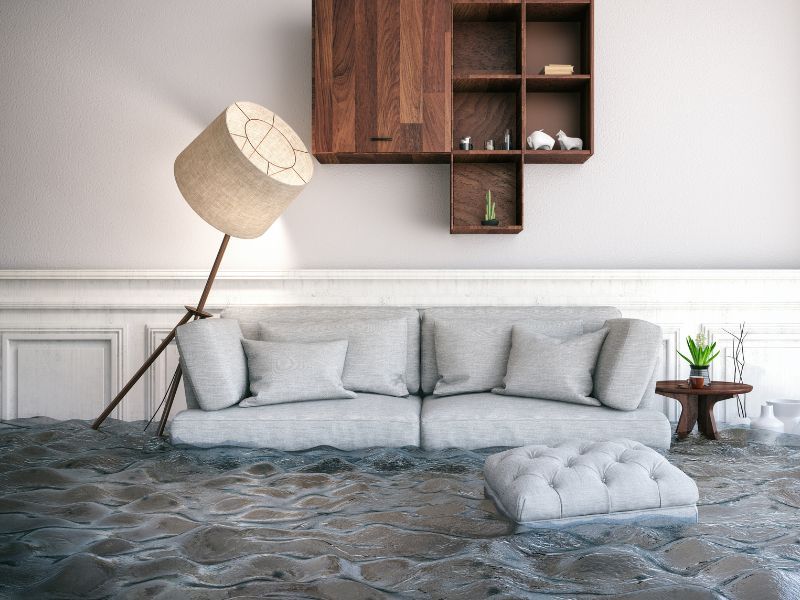
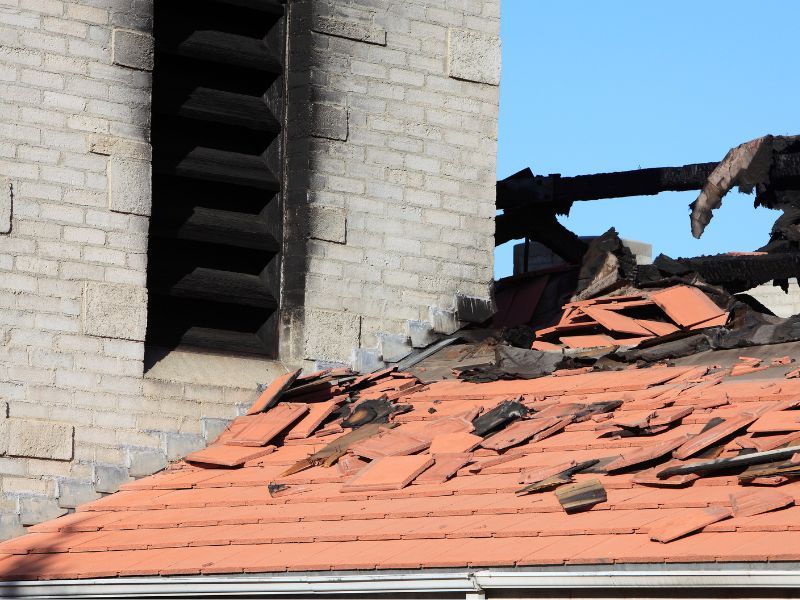
In addition, typical property insurance policies tend to cover a wide range of losses caused by material and physical harm and, in some cases, financial losses arising from the destruction or damage of an insured asset. This includes cover for both insured buildings and contents as they are two separate but closely linked aspects of a property. For instance, in a situation where a property is destroyed due to a natural disaster like a hurricane, the policy holder can make a claim to their insurance company to get compensation for their losses.
On the other hand, property policies usually only cover direct physical damage and, in some cases, indirect damage. They typically do not cover indirect losses, such as loss of profits or income, or temporary housing expenses. Similarly, property policies do not typically cover liability claims, which might arise if a third party is injured on the insured property.
Therefore, although these policies provide some protection, they do not provide complete financial security. That’s why it’s important to review your policy’s coverage, exclusions, and limits before buying property insurance. As a result, it’s also recommended that policyholders have more than one policy to cover the risks associated with the ownership of a property. Consequently, before signing a property insurance policy, one should be sure to read the document carefully and understand the terms of insurance coverage.
Types of Property Insurance
Property insurance is a type of insurance designed to cover any damage to a person’s building, land, resources, and/or income that results from a variety of causes. Property insurance is a must-have for any homeowner, renter, or business owners to protect their assets and investments from unexpected loss or damage. There are three main types of property insurance policies: land insurance, buildings insurance, and contents insurance. Each provides different levels of protection for different types of property.
Land insurance covers any damage to the physical land itself, such as land erosion, subsidence, and flooding. It also covers legal liability for any accidents that may occur on the land, such as injuries to a visitor or damage to their property. Buildings insurance, on the other hand, applies to both the exterior and interior of a building, such as walls, roofing and windows, and the fixtures and fittings within, such as kitchens and bathrooms. Furthermore, it covers any damage from fire, vandalism, and other causes.
Contents insurance covers any possessions that are kept in the property, such as furniture, electronics, artwork, or musical instruments. It also covers items that have been lost or stolen, as well as any damage to those items. Additionally, contents insurance may cover any financial losses, such as replacing items that were stolen or replacing valuable documents. In contrast to buildings insurance, contents insurance usually does not cover any damage to the structure of the building.
In summary, there are three main types of property insurance: land insurance, buildings insurance, and contents insurance. Each provides coverage for different types of property and provides protection against a variety of potential losses or damages. It is important to understand which types of coverage are provided by each and the terms and conditions associated with each policy in order to find the best policy to protect your assets. As a result, it is important to speak to a licensed insurance professional who can advise on what type of policies may fit your needs.
Coverage Factors Affecting Property Insurance Premiums
Property insurance premiums are affected by a number of factors that contribute to how much coverage an individual will need and what they will likely pay. For instance, the type of property in question, its replacement cost, and the location of the property all play a role in determining the cost of property insurance.
The type of property is important because it can influence the diversity of coverage needed and therefore the cost. For example, a single or multi-family residence will have different insurance needs than a commercial property. Similarly, the replacement cost of the property will dictate the limits for which an individual is insured. If the coverage limit is too low to replace the property, then it would not be sufficient in the event of a covered loss and a larger premium is likely needed to ensure coverage in case of such an event.
On the other hand, the location of the property can also play a role in determining the cost of the insurance premium. Insurance companies take into account the risks of each area, such as natural disasters, frequency of vandalism, fire hazard, and flooding. In contrast, factors such as the local crime rate, the proximity to a fire station, and the quality of nearby construction will also affect the cost.
The type of loss that property insurance covers is also an important factor to consider. Coverage usually includes protection from fire, vandalism, or theft, but can extend to include protection from floods, wind storms, and other perils. In addition, an individual may want to consider an endorsement for increased coverage for items such as personal valuables or antiques if the caused loss is a covered peril.
Therefore, there are a number of factors that must be taken into consideration when looking at the cost of property insurance. By understanding the risks of the property, the replacement cost, and the desired coverage, an individual can make an informed decision about their insurance needs and the associated cost. Consequently, an individual should take the necessary time to understand these factors when selecting insurance coverage and limits in order to find the most appropriate policy for their circumstances.
Tips for Finding the Right Property Insurance Policy
Property insurance policies insure your dwellings and possessions against damages and theft, and getting the right policy for your needs is an important part of protecting your home or business. Here are a few tips to keep in mind when searching for the right property insurance policy:
Firstly, consider the type of policy you want. You can choose from a variety of policies, such as basic policies that offer protection from storm and theft, or more comprehensive policies that extend your coverage to floods, earthquakes, and other unforeseen circumstances. Furthermore, decide whether you want to cover just the dwelling or the associated property as well, such as furniture and electronics.
In addition, make sure to recognize what level of protection you want from your policy. Does the insurer provide sufficient protection for sets of circumstances to match the type of dwelling? If you happen to rent out your property, check to see if the policy offers protection in the event of a tenant-related incident. Moreover, look into the cost of policies, the applicable deductibles, and ensure that there are no hidden costs.
Moreover, compare policies from different companies. Make sure to consider the exclusions of each policy. Are there clauses written in the fine print you need to be aware of? Similarly, consider the potential discounts available with certain policies. Do you qualify for any additional discounts, such as if you have installed security systems or have multiple policies with the same insurer?
Finally, read customer reviews and feedback online in order to get an understanding of the insurer’s reliability and customer service. Good customer service is essential for getting your claims aborted in a timely manner. As a result, make sure to select an insurer that is customer-friendly as well as reliable.
Consequently, when selecting a property insurance policy, you must ensure that your policy covers the right type of coverage, offers protection for your property, is cost-effective, and is backed by good customer service. Taking all these aspects into consideration will help you secure the best property insurance policy for your needs.
Key Takeaways
Property insurance is an important type of insurance intended to protect the value of real estate, structures, and personal property within the event of damage, destruction, or loss due to fire, weather-related issues, and theft. There are many different types of property insurance such as homeowners insurance, tenant’s insurance, renters insurance, and flood insurance. Premiums for property insurance vary depending on the type of policy, the amount of coverage applied for, and the total value of the insured property. Helpful tips for finding the right property insurance policy include researching the coverage limits, deductibles, policy exclusions, and other coverage details; getting quotes from several different providers; and carefully reviewing the terms and conditions of any policy offered. Ultimately, it is important to select the most suitable property insurance policy to protect against potential losses and risks.
Frequently Asked Questions
What does property insurance cover?
Property insurance usually covers physical damage to a home or business caused by fire, vandalism, theft, hail, windstorms, and other events. It may also cover the cost of living expenses if occupants are forced to temporarily relocate due to damage caused by a covered event.
How can I lower my property insurance premiums?
There are several ways you can lower your property insurance premiums. First, make sure you bundle your insurance with one provider, as most insurance companies offer discounts for bundled policies. Second, increase the deductible on your policy to lower the cost of the monthly premiums. Third, review your policy to make sure you don’t have any unnecessary coverage; reducing coverage is a great way to reduce costs. Fourth, take steps to make your home more secure, such as installing an alarm system, deadbolts, and fire extinguishers, as this may qualify you for additional discounts. Finally, look for loyalty discounts and compare quotes from multiple insurance companies to make sure you are getting the best possible rate.
Do I need property insurance if I rent a home?
Yes, you need property insurance if you rent a home. Even though your landlord may have insurance for the building, their insurance does not protect your personal belongings. You may want to purchase tenant insurance in order to protect yourself from loss due to theft, vandalism, and other damages that could occur in the rental property.
What should I look for when comparing property insurance policies?
When comparing property insurance policies, you should look for factors such as coverage limits, deductibles, exclusions, discounts, and riders. Also consider the reputation and financial security of the provider. Make sure to read the fine print and ask questions to ensure you completely understand what is covered.






Leave a Reply